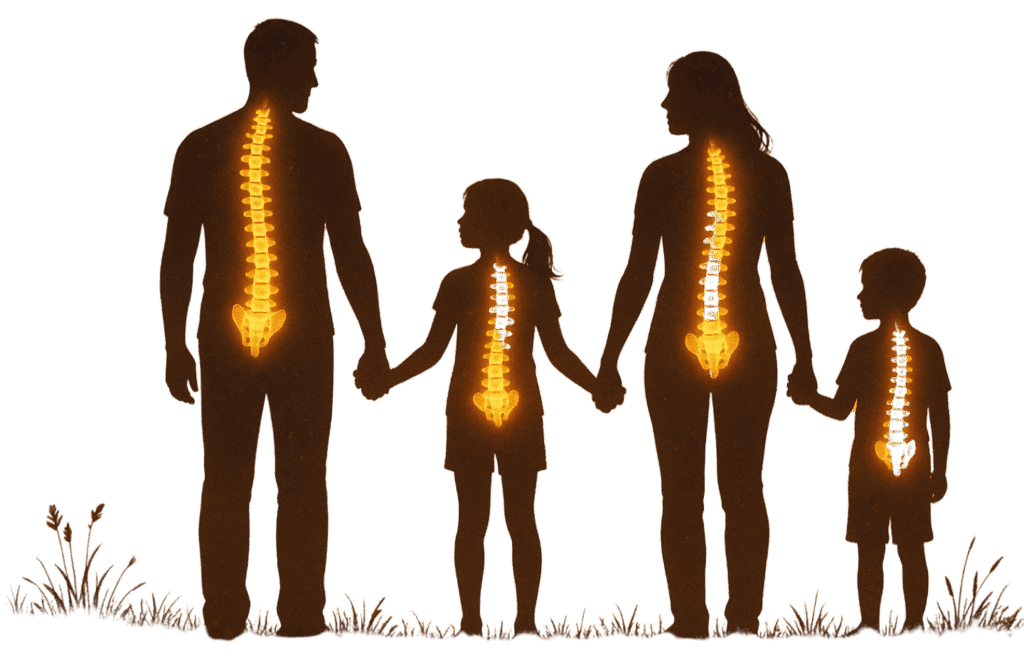

Spinal misalignments, also known as subluxations, can occur due to various factors, including injuries, poor posture, and repetitive stress. These misalignments can put pressure on nerves and surrounding tissues, leading to pain and discomfort. Understanding the causes of spinal misalignments is crucial for effective treatment and prevention. Early detection and intervention are key to managing these issues effectively.
Spinal misalignments can manifest in various ways, affecting different parts of the body. They can cause pain in the neck, back, or extremities. They can also lead to headaches, dizziness, and other neurological symptoms. The impact of spinal misalignments can vary depending on the severity and location of the misalignment. It’s essential to consult a qualified healthcare professional for proper diagnosis and treatment. Addressing spinal misalignments is crucial for maintaining overall health and well-being. Proper diagnosis and treatment can help alleviate pain, improve mobility, and enhance overall function.
By understanding the impact of spinal misalignments, individuals can take proactive steps to prevent future issues and maintain a healthy spine. Regular check-ups and preventive measures can significantly reduce the risk of developing spinal problems.